
Categories
Jonathan Sears SC

What’s On the Menu- Tips for Planning the Perfect Menu in Your Restaurant

The perfect menu will set your restaurant apart, even if there are competitors nearby with a similar style to yours. While menus are certainly one of the most important factors in ensuring that your restaurant is a smash hit among customers, John Sears of SC notes that restaurant owners commonly get a bit lost when it comes to planning and reevaluating their options. To help current and aspiring restauranteurs plan their menus, John has included a few quick tips to contextualize their efforts.

Develop a Solid Concept

When creating a menu, it is crucial to know what you are going for with both the atmosphere and food that you will provide. It helps to consider the demographics of the environment where you are setting up shop. What food options are overrepresented? What are people looking for? And what do you think you can execute well? Jonathan Sears of SC encourages new restaurants to aim for menus that provide something new and exciting for guests without alienating potential clientele. For example, if the area you are setting up shop in has a lot of fried foods, maybe a menu that prioritizes fresh, seasonal ingredients can get a good position in the market. Putting a good amount of work in this stage will save many hours of frustration later. You want to be sure that your concept is set in a way that will attract customers, leave them satisfied, and ultimately make money.

Keep it Simple

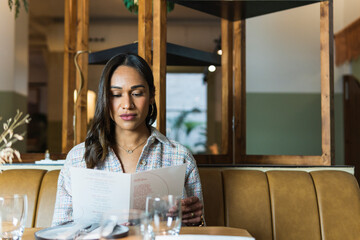
A lot of people fall for the trap of an overly complex menu. After all, more options should leave a wider variety of customers satisfied with their meal— right? Jon Sears SC maintains that resisting the temptation to include a huge selection is one of the foundational steps to creating a great menu for your restaurant. There are several reasons smaller menus tend to be best for restaurants. One of the largest is that it can reduce the amount of unsold food that will be thrown out at the end of the night. If there are too many options on your menu, you can be sure that at least a few of them will not be considered favorites. Menus that are too deep can also negatively impact the customer experience. You do not want your guests to feel overwhelmed when pursuing a menu. A few core items that you are sure the staff can execute well will go far.
John Sears of SC

Don’t Be Afraid of Change

Over the course of a restaurant’s lifetime, they often need to adapt and tweak things to get the perfect menu. Even the best restaurants have room for change. Jonathan Sears notes that one important thing to consider is that items that aren’t selling well can either be changed or removed entirely, whereas restaurants will likely want to keep the items that are moving and keeping customers returning. Remember that you do not need to get carried away with too many changes that could confuse your clientele. Instead, consider trying to find a schedule for change that makes sense. A menu that rotates seasonally based on what is available locally is a common way to suit our natural desire to try new things without requiring changes that are too frequent.

Consider Cost Control and Pricing

Compared to some other businesses, restaurants commonly operate on pretty thin margins. This means that thinking of the cost of your ingredients when planning a menu is essential. You don’t want to end up in a situation where it is difficult to make money even if you have a lot of visitors. Carefully considering the price of your ingredients will help you plan your pricing which will have a lasting impact on your bottom line. Items that you need to sell at very high prices to be profitable may put off customers and end up as food waste come the end of the week (or night!). Balance is key here. Try to keep your margins healthy with simple steps such as using similar sides for your entrees and sticking with items that are in season.

Plan to Reduce Food Waste

Food waste is a reality in most restaurant settings, but it is always wise to plan a menu in a way that reduces this whenever possible. For example, if you find that there are items that you commonly need to toss by the end of the week, it can help to plan your menu with specials that can use up some of these ingredients before they turn. These items are often favorites among customer bases because they are creative and thoughtful by design. One caveat that Jonathan Sears SC offers to restaurant owners and chefs is that planning to reduce food waste only works if you are able to put your specials out before the food has turned. Putting out spoiled food can get customers sick and rightfully tarnish the reputation of your restaurant. If food has gone bad, toss it and use your idea for repurposing next time around.

Categories
Jonathan Sears SC

How to Improve the Customer Experience at Your Restaurant

While things have gotten a bit better for restaurants since the onset of the COVID-19 pandemic, restaurants continuing to operate at this time are not without their fair share of obstacles. One of the most pressing is maintaining a robust customer base to keep attendance and orders as high as possible.

Jonathan Sears of SC believes that the most effective way to keep clients happy and interested in returning is to make investments into improving the customer experience. Here, he explores a few efficient ways restaurants can optimize the customer experience to grow a network of loyal, happy customers.

Start with Staff

Your staff are often the first thing that visitors notice when coming to your restaurant, and John Sears of SC commonly speaks to how their happiness can impact the overall atmosphere of the space. Restaurants looking to optimize their customer experience should start by ensuring that morale is high, and that staff are satisfied with leadership and access to opportunities. One of the most efficient ways to ensure this is by polling the staff to get a feel for how they see their work environment. Encouraging an environment that values transparency and honesty is key for getting feedback for how to best serve your teams. If capable employees want to move up to leadership opportunities or staff would like to discuss schedule flexibility, it is in your best interest to oblige within reason. Making investments in your staff by promoting within or providing access to certifications, trainings, or benefits, are all excellent ways to boost morale and improve the experience for customers as well.

Respectfully Handle Complaints and Concerns

Even the greatest restaurants can make mistakes, and how restaurants handle concerns and complaints levied against them is crucial to creating positive customer experiences for guests. The most efficient way to handle complaints, regardless of how small, are to have a plan in place to ensure that the customer still leaves satisfied. Jon recognizes that complaints can be tough for anyone who is proud of their business, but a system that prioritizes clarifying the problem, issuing a suitable apology, and working with the customer to resolve the issue efficiently are simple strategies for keeping even the toughest customers happy. Everyone makes mistakes. What defines a good restaurant is a willingness to rectify things and make necessary improvements for the sake of the guest experience.

Maintain Hygiene and Cleanliness Standards

Customers will rarely feel fully comfortable in restaurants that appear dingy or unkept. Promoting hygiene standards are essential for the health of customers and employees, but beyond this they fuel positive perceptions of your restaurant and contribute to the experience for guests. To properly maintain cleanliness standards, consider ensuring that spaces within your restaurant are frequently cleaned. This includes items such as tables, chairs, and the floors as well as the bar, dishware, and walls. A common complaint that restaurant goers have is that that the restroom is dirty. Consistency is key here, minutes of work maintaining cleanliness in your restaurant daily can save hours of manpower in the long run.

Jonathan Sears of SC

Focus on Being Attentive

For many of us, dining in at a restaurant is a luxury that we do not get to enjoy every day. Contributing to the experience by being attentive to your guests through great service is an excellent way to ensure that they will want to return. Some of this can be done by training your servers on how to anticipate requests and tend to their tables in a timely manner throughout their shifts. Managers and owners can also contribute by doing table touches to get feedback from guests and show that they are valued customers. Simple steps such as refilling drinks and asking about how the meal turned out take very little time, however, they go a long way towards creating a positive customer experience for your guests.

Encourage Feedback

Customers often want to feel empowered to share their opinions on aspects of a restaurant such as the food, service, or atmosphere. Many successful restaurants do not only welcome feedback from their valued customers — they encourage it! Well thought out feedback can be valuable to any business as it clues administrators in on what they are doing great and what may need to change. Surveys find that a vast majority of unhappy customers do not leave a formal complaint and simply leave and never return. Encouraging guests to levy complaints, whether that be in person or through review sites such as Yelp or Facebook, gives guests the opportunity to speak their mind while making them much more likely to give the restaurant another try. People want to know that their feelings and opinions are welcome.